OpenFront.io: Welcome to Open-Source Gaming
Paint the map. Build alliances. Betray them with nuclear weapons. OpenFront.io is a surprisingly addictive strategy game that runs in your browser, costs nothing, and might just outlive every commercial game released this year. Here's why.

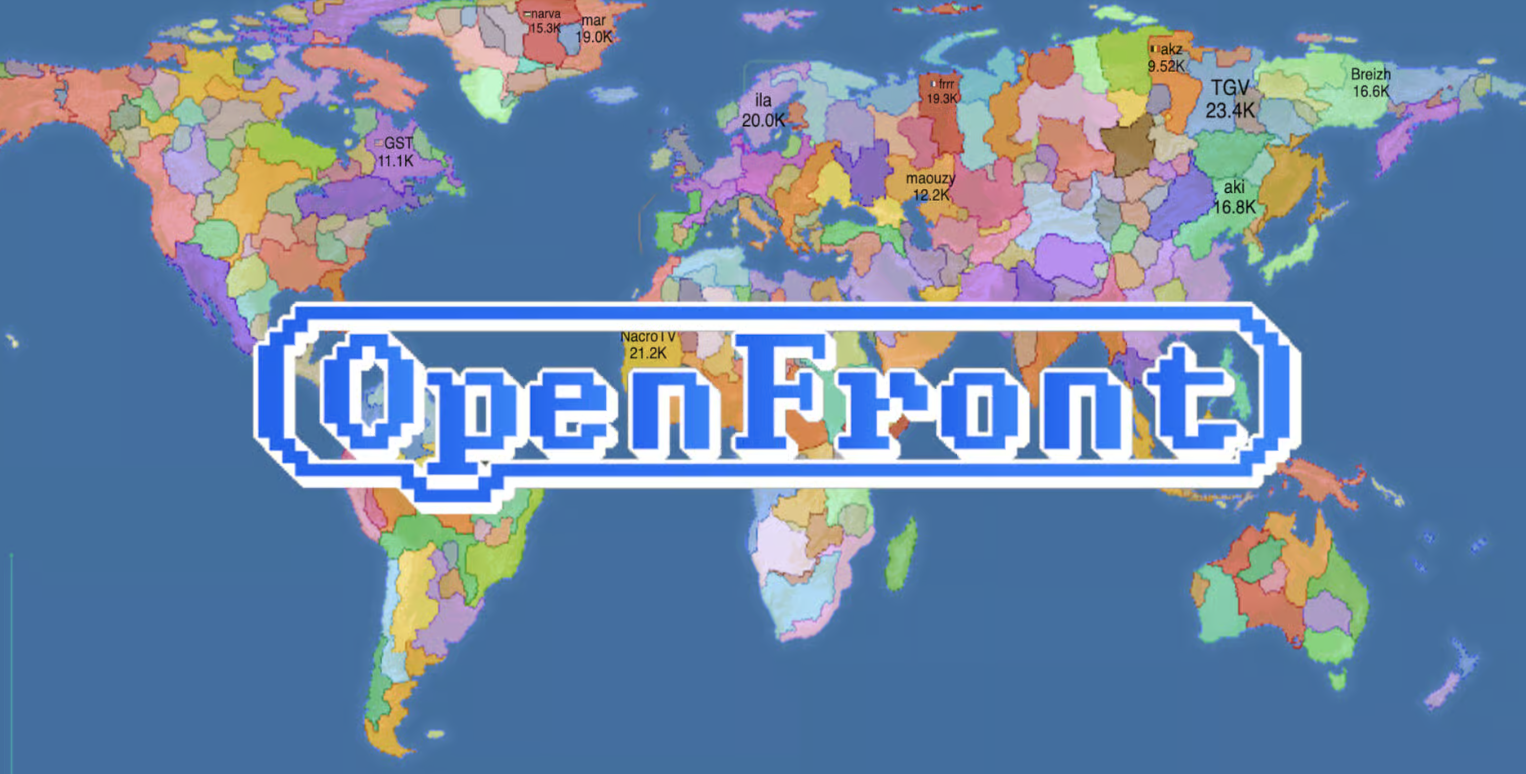
OpenFront.io is a cool game. Players conquer pixel-painted continents in a free and open-source game.
And it is such. much. fun...
It represents a refreshingly different vision for what video games can be.
An addictive, free game
The premise is deceptively simple: conquer territory until you control 80% of the map. Think "Risk" within your browser.
It's surprisingly satisfying to watch your empire spread across a continent. Late-game capitalism in a video-game...
Tetris taught us the satisfaction of emptying our screens.
OpenFront is all about filling our screens!
This game has strategic depth, with different stages. Much like Age of Empires or Civilization.
Early on, you're racing to absorb bots and establish alliances with players. Overextend too fast and you'll collapse. Play safe and you'll fall behind. The mid-game becomes a chess match. Tons of diplomacy and betrayals.
By the late game, nuclear weapons change the game. Alliances often fail...
Economics matter too. Building cities, factories, ports, and missile silos requires resources. I watched tons of games from ranked players. Pure aggression without infrastructure will lead to elimination.
The strongest player isn't always the most aggressive. Often it's the most clever player, the one who reads the board correctly. Strikes when others are weak.
This game has tons of surprising comebacks, which makes for great video content...
You get the basics within 30 seconds of watching someone play. It's a very streamable game.
Mastering it takes time, which makes it addictive.
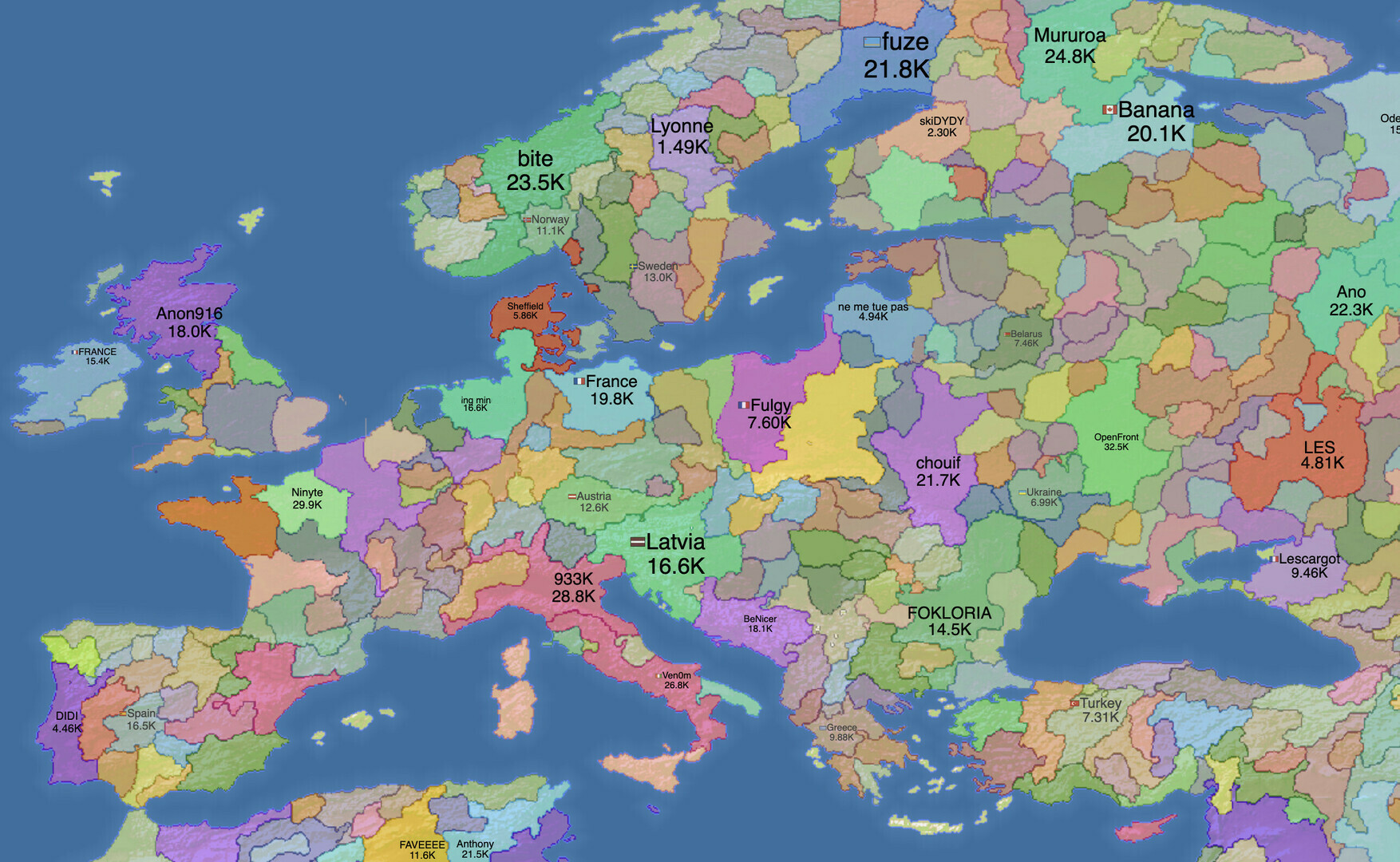
War and Peace
OpenFront exists because someone forked WarFront.io and decided to build something different. The game is licensed under the GNU Affero General Public License v3.0, which means anyone can take the code, modify it, and run their own version.
They need to share their changes under the same terms and credit the original, that's it.
This has already happened! Terratomic emerged as a fork emphasizing community feedback.
FrontWars went in its own direction. The original code has spawned an ecosystem of variations.
That's the difference between open-source and commercial gaming.
When Electronic Arts shuts down the servers for an older FIFA title, that game effectively ceases to exist. A studio goes bankrupt? Games can disappear entirely.
But OpenFront's code lives on GitHub. If the main project abandoned development tomorrow, anyone could pick it up. The game simply cannot die as long as someone cares enough to run a server.
That's a pretty compelling form of immortality.
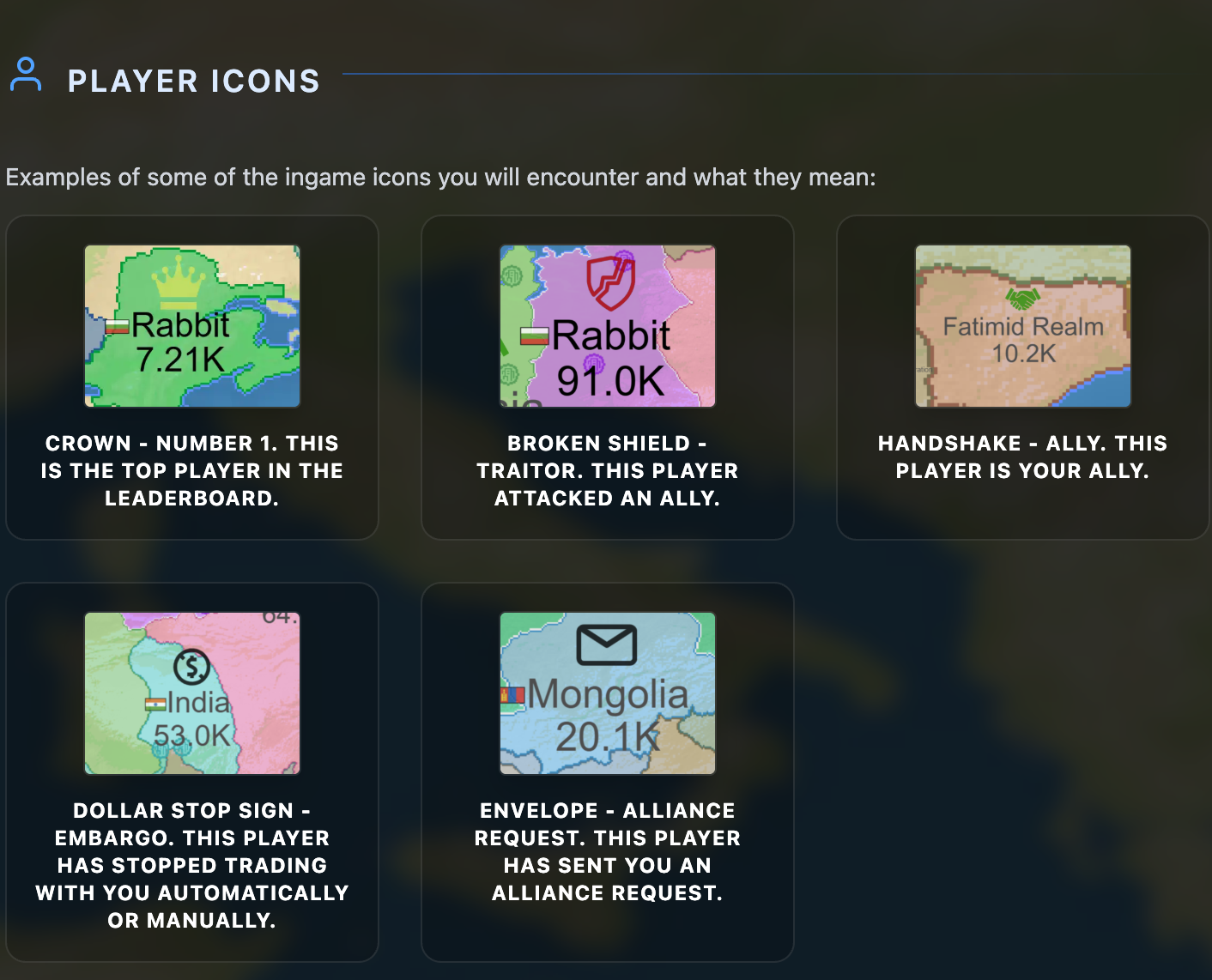
Community-first
One of my favorite aspects of OpenFront is the collaboration part.
The GitHub repository has nearly 2,700 commits. Players can directly fix bugs, adding features, balancing mechanics, and translate it.
Example: Yesterday, some thought it would be fun to add natural resources to the game:
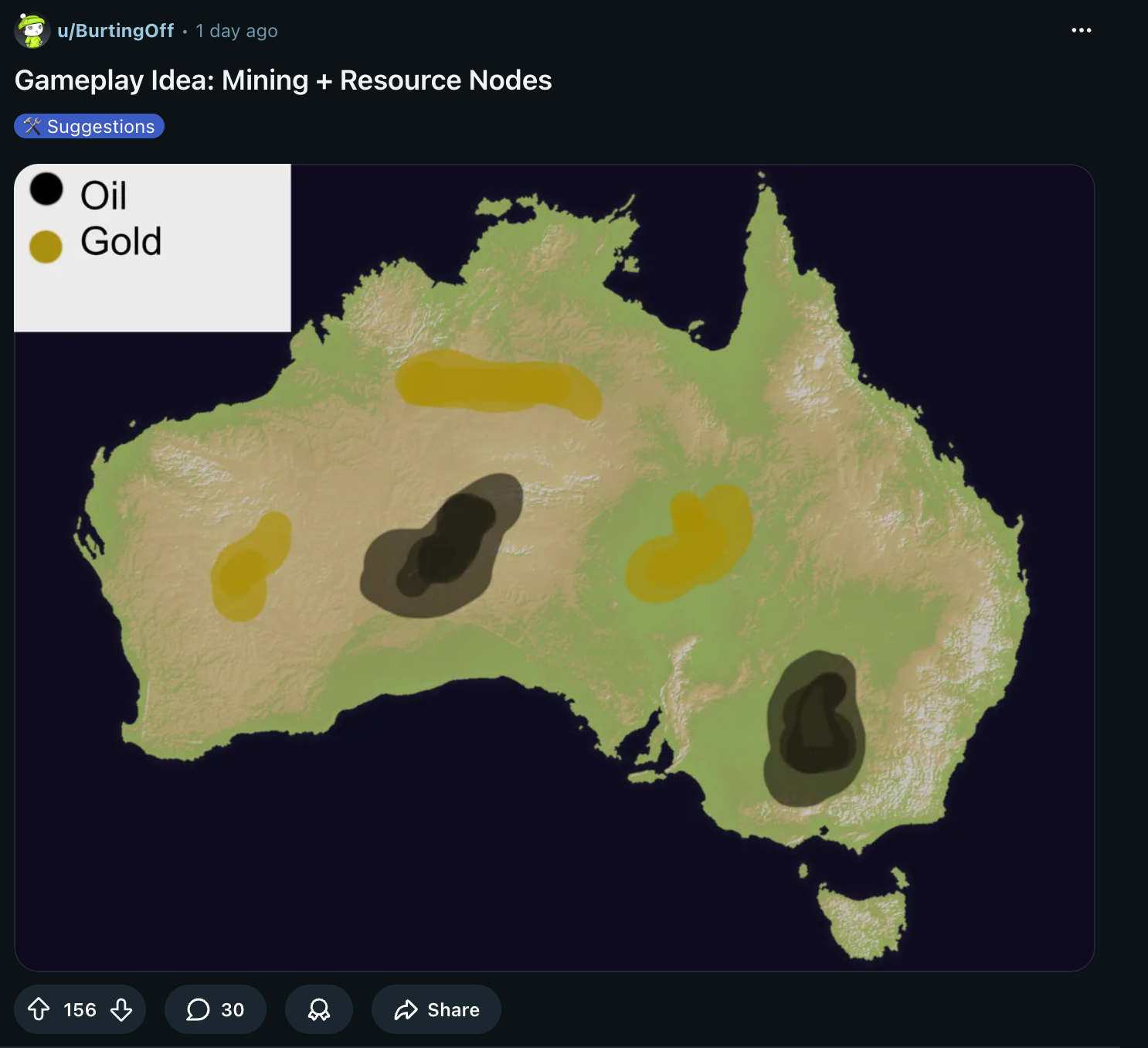
The community immediately got excited and started to chat about how it could fit! Heated discussions, sometimes 😄
This creates a different dynamic than traditional game development. The community isn't just consuming a product.
They're shaping it. A balance change that frustrates players might prompt someone to submit a pull request. A missing feature might inspire someone to build it themselves.
Of course, community governance can get messy. Different factions want different things. Competitive players might push for changes that make the game less accessible to newcomers...
Few maintainers retain final authority creates a benevolent dictatorship model that works until it doesn't. Props to them, we all need some sort of governance.
Congratulations to Evan, its creator, and its team (Kappalew, Lewis, Pilkey, Restart...) who are all present on Reddit.
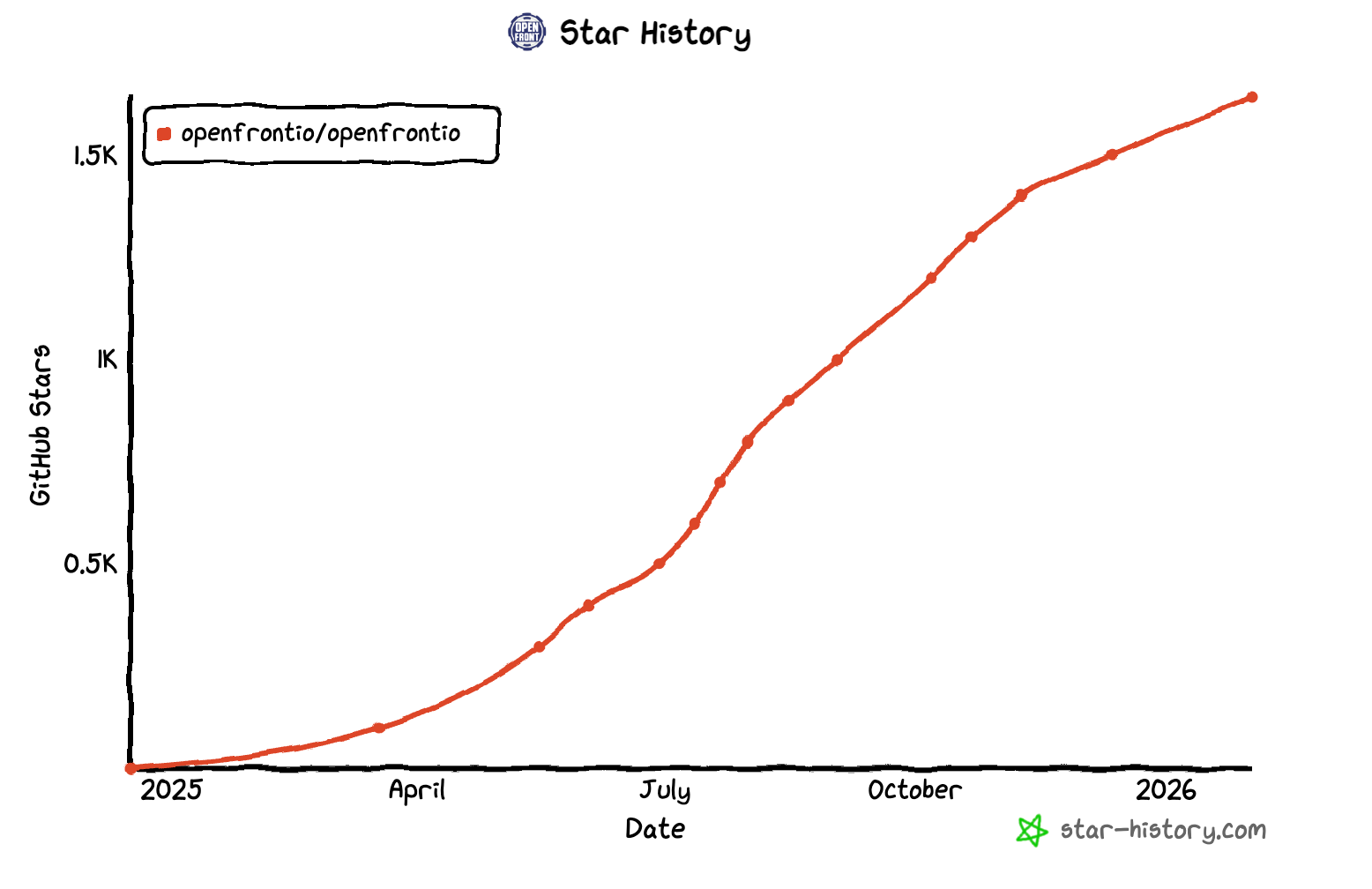
There are challenges around moderation too. In any open multiplayer game, some players will choose offensive usernames or behave toxically. Without the resources of a major studio, addressing these issues falls to the community itself. It's an ongoing work in progress.
Sure, it has bugs. But also has a rapid update-pace, which is awesome!
The Indie Revolution
2025 has been remarkable for indie games. Indie titles generated roughly $4.5 billion, about 25% of Steam's total revenue. Small teams can compete with, and sometimes exceed, major studio releases.
But even successful indie games are still commercial products. They have prices, marketing budgets, and distribution partnerships. They operate within the existing system.
Open-source games like OpenFront represent something different. Not an alternative to commercial gaming, but a parallel track altogether. They're not competing for the same dollars because they're not asking for dollars at all.
No more selling DLCs to access another version? One can dream!
Say you want to play City Skylines, a great game published by Paradox Interactive. Release date was 2015, say you want to buy all DLCs... Even with heavy discounts, you're shelling out €150+
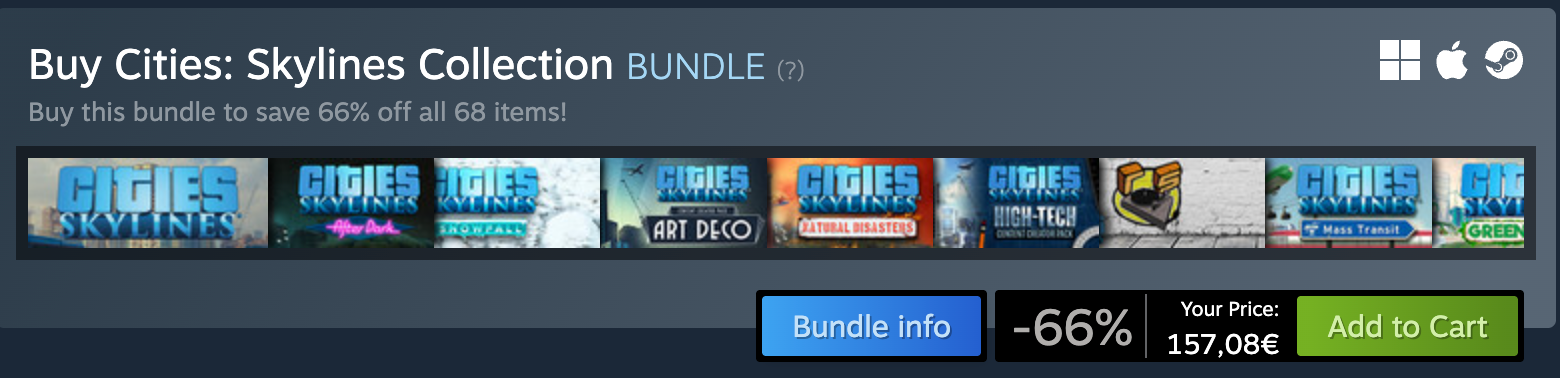
OpenFront sells skins to pay for for hosting and development. The core experience is free. Or it won't. If that changes, you can take the code and play your own version! Many alternatives exist.
The game is scheduled to be released on Steam in 2026. But does it matter?
OpenFront has no gatekeeper. You open a browser, and play. The barrier to entry is essentially zero. How cool is that?
This model trades commercial scale for something else: resilience and permanence. A commercially unsuccessful indie game might get abandoned. A commercially unsuccessful open-source game can be forked, modified, and continued by anyone who cares.
...but will it be sustainable?
Probably. Hundreds of open-source games have been developed, many of them are striving.
Structuring a gaming community
OpenFront imports maps from OpenStreetMap. Players battle across pixel-art renditions of Europe, Asia, Africa, and more.
This kind of feature, technically complex but commercially unexciting, exists because someone thought it would be cool and had the freedom to build it.
The game supports guilds, ranked matchmaking with ELO ratings. Streamers and YouTubers are also moving in.
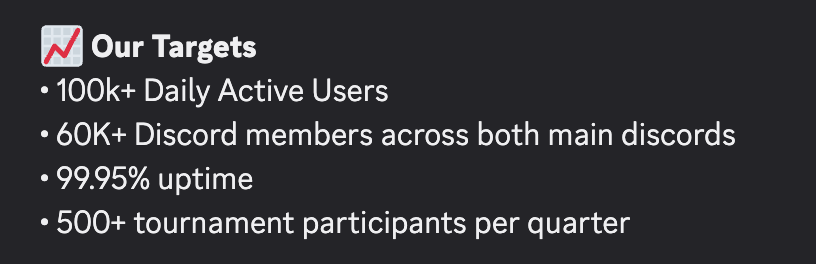
An official tournament structure called OpenFront Masters has emerged. The infrastructure is being built...
There could be professionals OpenFront players. Heck, Age of Empires II is 25+ years old and has pro-players.
Sped up version of a game
The Future Isn't Binary
OpenFront shows that another model exists.
For strategy game fans, OpenFront offers something surprisingly polished: quick matches or deeper sessions that reward strategy.
I love watching my empire spread across a pixelated continent... outside the commercial framework.
This type of game might outlast them all. Not because it's better, but because it's free in a sense that goes beyond price.
Anyone can play it. Anyone can improve it. And as long as someone cares, it will keep existing.
OpenFront is a different kind of success story.
It might remain a niche curiosity loved by a dedicated community. Either way, right now, you can open a browser tab and conquer a continent. No download required. No credit card needed. Just strategy, diplomacy, and the occasional nuclear betrayal.
Give it a try. You might get hooked.